
Built in Hyderabad, for India's private space age
India launches rockets designed by private companies from a city where students still meet aerospace only as a chapter in a textbook. SPACEDU exists to close that gap: real tools, real telemetry, real launches, from Grade 3 onward.
It began with a bad lesson
Our founder, an aerospace structures engineer, was invited to teach a Grade 5 class about flight. She gave the lecture she'd been given as a student — four forces, neat diagram, polite silence.
The next week she brought straws, paper and a tape measure instead. Within an hour a ten-year-old had worked out that adding weight to the nose stopped the tumbling — and could explain why. That gap between the two lessons is the whole company.
Hyderabad made the rest obvious. The city builds launch vehicles, satellites and propulsion systems — and its schools had no route into any of it. So we designed one: a single engineering loop, four levels, a portfolio at every stage, and a mentor network drawn from the space industry on our doorstep.
Mission
To make aerospace engineering something an Indian school student does, not something they read about — real tools, real materials, real failure, from Grade 3 to Grade 12.
Vision
Students from our labs on national and international competition teams, and later in the design rooms of the companies building India's launch vehicles.
Three commitments we don't compromise
They sound simple. Holding to them is most of the work.
Hands before heads
Students touch the phenomenon before they hear the term for it. The vocabulary lands because there's already an experience attached.
Failure is data
A crashed drone or a tumbling rocket is the most useful thing that can happen in a session, provided we log why.
One loop, twelve years
Design, simulate, build, test, analyse, redesign — identical from a paper rocket in Grade 4 to a payload-carrying vehicle in Grade 12. Only the tools get sharper.
We'd rather a student build something imperfect than watch something perfect.
The people in the labs
Instructors are engineers first and teachers second, backed by mentors working in Hyderabad's space industry.
Curriculum & Rocketry
Aerospace engineering background
Owns the four-level arc — from straw rockets and the four forces up to stability margins, telemetry and technical design reports.
Drone Programs
Certified UAS pilot-instructors
Run the simulator ground school, the netted indoor cage, and the design-print-wire-calibrate build path.
Manufacturing Lab
Design and fabrication specialists
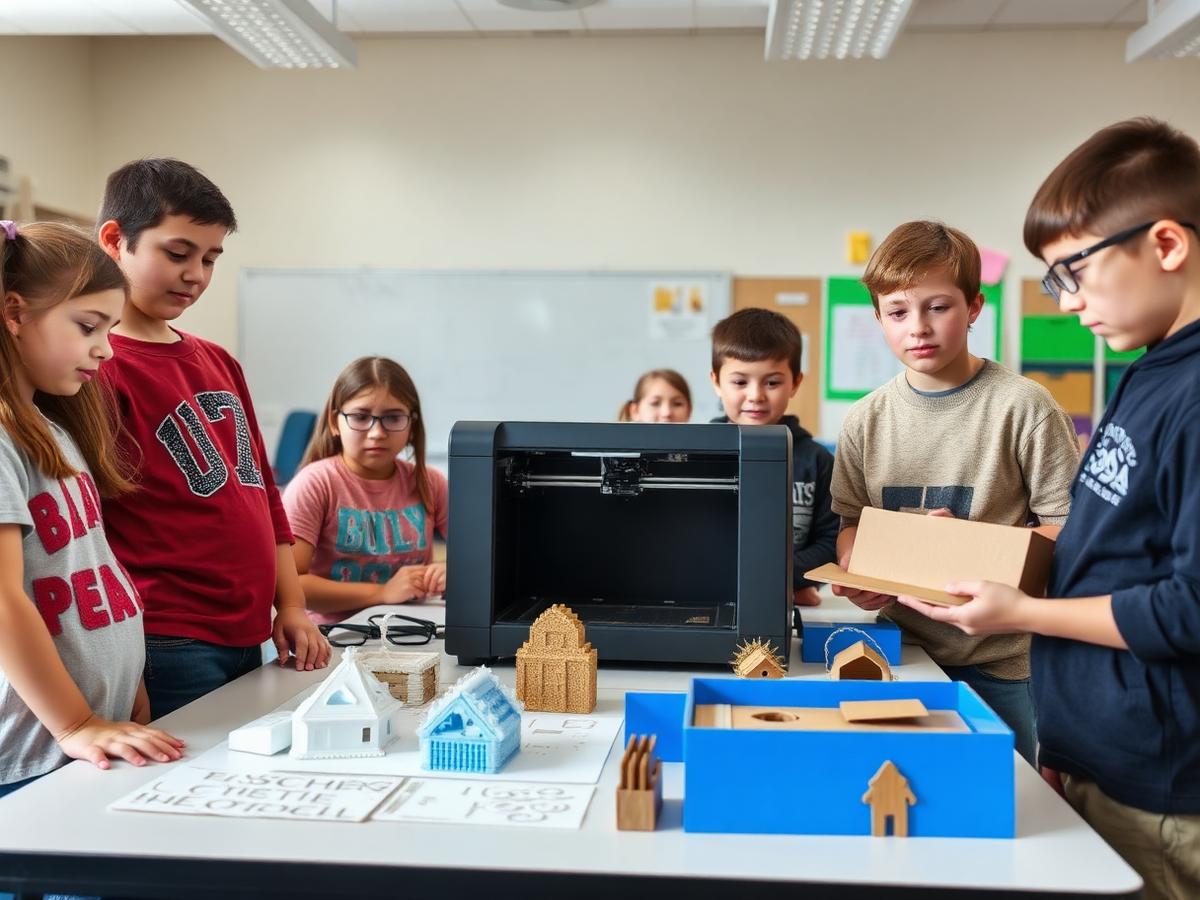
CAD, 3D printing and laser cutting — the mechanical foundation every airframe and chassis passes through.
Electronics Lab
Embedded systems engineers
Sensors, microcontrollers and avionics, plus the AI and power-systems threads woven across the pillars.
Industry mentors
Hyderabad space ecosystem
Working engineers who review student designs, sit in on competition prep, and make the career conversation concrete.
Career counselling
Pathway advisors
Map a student's portfolio onto competitions, degree choices and the roles India's private space sector is actually hiring for.
Every launch starts with a countdown.
Book a free trial session at the Hyderabad experience center — pick a mission, pick an age band, pick a slot.